Identifying and Managing Music Festival Staff and Volunteer Fatigue.
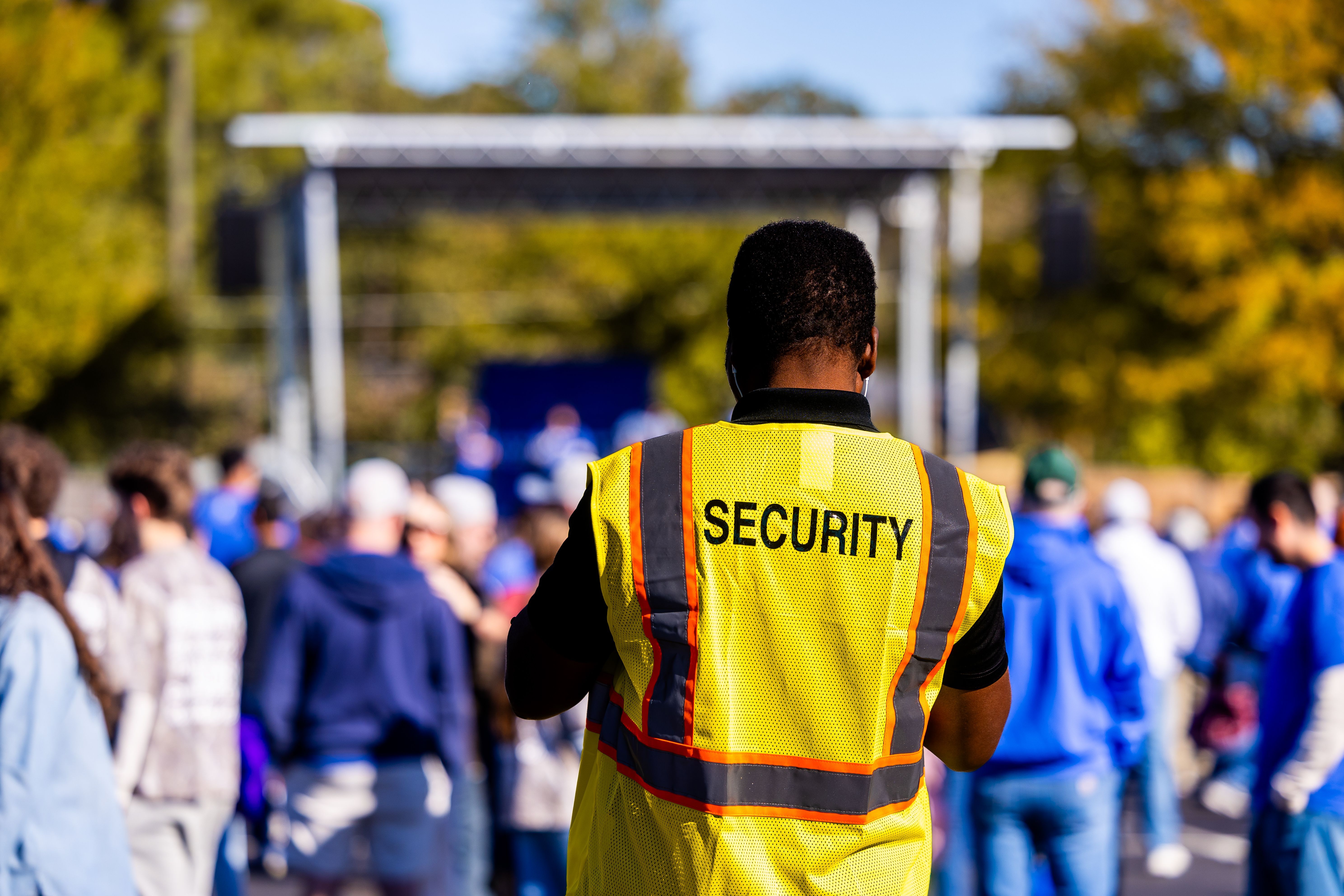
A typical large-scale music festival operation can involve hundreds or thousands of workers including permanent staff, contractors and volunteers. The work usually involves long hours in high pressure environments where fatigue is common. Anyone suffering from fatigue can make critical errors leading to increased health and safety risks for festival operations.
Festival staff are known for working long hours for low pay yet is still one of the most rewarding careers. This dichotomy inevitably leads to increased fatigue amongst workers and is further compounded by ongoing staff shortages in the industry. Identifying individuals suffering from fatigue is essential for organisers as it helps to improve safety, operational efficiency, and the festival-goer experience. What causes fatigue and how can it be identified and managed successfully by festival organisers.
Common Working Conditions that Cause Fatigue.
As festivals get larger and increase from 1 or 2 days to 3 or 4, the planning and build up phases get extended, sometimes lasting 2 to 4 weeks. It is not unusual for operational shifts to last up to 16 hours during the live event days and with limited experienced staff the pressure on those available increases. Combined with other factors like increased security concerns and extreme weather just impacts staff fatigue further. An outdoor festival site can be large and with multiple responsibilities it is not unusual for staff to walk up to 20km in a day plus long periods of standing. With shortages in experienced staff these long hours can mean little or at best very poor-quality sleep and rest periods. With staff taking on more responsibilities and managing numerous volunteers and contractors, they are subject to constant critical decision making. In these high-pressure environments, they also have to manage conflict resolution between staff, volunteers, contactors and festival-goers plus managing complaints in a courteous and professional manner. This high level of responsibility plus constant walkie talkie chatter can lead to information overload which adds to stress levels. Dealing with difficult customers, lost children, and medical emergencies all require sympathetic support and handling. For volunteers attending a festival the challenges are slightly different because they are trying to manage their commitment to work with watching the performances. Many volunteers underestimate the workload and non-stop pressure to extend their work hours because of volunteer no shows. It is also not unusual for volunteers to consume excessive alcohol after their shift, leading to poor sleep and being ineffective when their next shift is due.
Consequences.
Staff and volunteers suffering from fatigue can lead to increased risks of on-site accidents, especially during the buildup and post event dismantling phases. Vehicle accidents and trips or falls are not unusual as contractors and staff attempt to perform their duties competing with others for space and resources. During the live event days fatigue can lead to missed radio communications and poor crowd management decisions. Other operational risks include slow gate throughput, equipment failure through human error, artist schedule delays, accreditation errors, and catering shortages. All these issues can have financial consequences too with increased insurance claims, additional overtime costs, higher staff or volunteer turnover and event reputational damage. Any serious safety incident will also likely result in further regulatory investigations post event.
Identifying Fatigue.
The organising management team should be fully aware of how to recognise fatigue amongst their staff and volunteers. Prolonged wakefulness can significantly reduce reaction time, concentration, and decision-making ability. The physical signs include frequent yawning, bloodshot eyes, slumped posture, poor balance, slow walking pace, an untidy appearance, and excessive sweating unrelated to temperature. A fatigued individual will also exhibit behaviour like rubbing their eyes, frequently sitting down, leaning against equipment, moving unusually slow and dropping tools or fumbling with radios or scanners for example. In addition, someone who forgets instructions, looks confused with reduced situational awareness will typically be fatigued. Other common warning signs include forgetting to follow safety protocols, skipping meals, and excessive consumption of caffeine or energy drinks.
Care and Welfare Practices for Staff and Volunteers.
During the planning phases, organisers should be building a fatigue management plan for their event which will reduce safety risks. Implementing maximum shift lengths and mandatory breaks for all staff and volunteers will ensure they stay effective during work periods. A short break of 15 minutes every 2 hours is good practice and means that staff stay hydrated and focused. Organisers should provide a dedicated staff and volunteer welfare quiet zone with facilities like relaxing chairs, camping, blackout sleeping tents plus healthy meal and drink options. Some organisers have started issuing staff and volunteers with wearable devices that can monitor heart rate, heat stress, hydration, and fatigue indicators. This data can be used by organisers to prevent fatigue setting in with workers before it becomes a safety risk.
For festival organisers planning their next event using a software management platform like Festival Pro gives them all the functionality they need manage every aspect of their event logistics. The guys who are responsible for this software have been in the front line of event management for many years and the features are built from that experience and are performance artists themselves. The Festival Pro platform is easy to use and has comprehensive features with specific modules for managing artists, contractors, venues/stages, vendors, volunteers, sponsors, guestlists, ticketing, site planning, cashless payments and contactless ordering.
Image by Caleb Oquendo via Pexels
<< Back to articles
Contact us
Get in touch to discuss your requirements.
US: +1 424 485 0220 (USA)
UK: +44 207 060 2666 (United Kingdom)
AU: +61 (2) 8357 0793 (Australia)
NZ: +64 (0)9887 8005 (New Zealand)